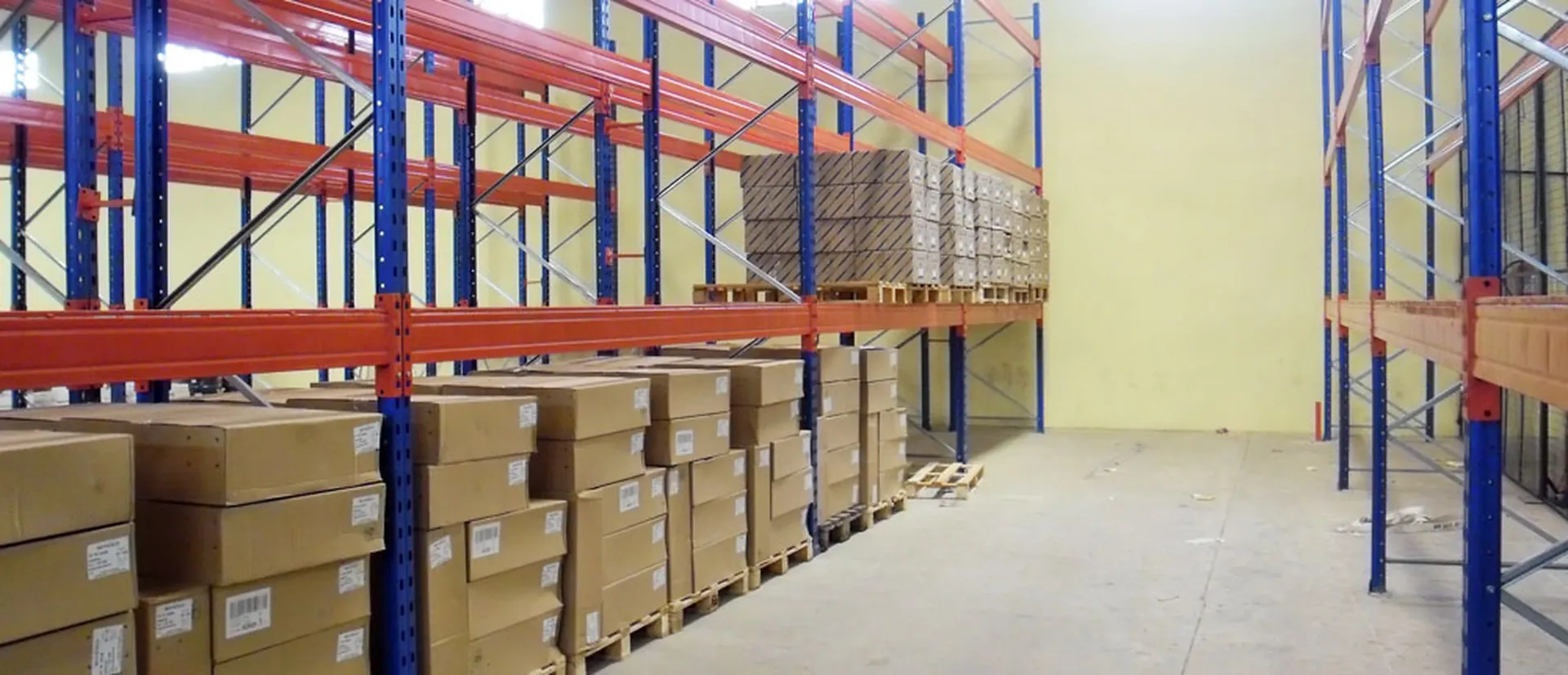
“Medium-duty” and “heavy-duty” are useful product categories, but the labels alone do not establish a safe load capacity. Actual performance depends on the structure, dimensions, shelf or beam arrangement, anchoring and loading conditions specified for the system.
When medium-duty shelving may be practical
Medium-duty racks are often considered for cartons, components, packaged inventory and manually accessible storage. They help organise day-to-day items into visible, labelled locations. Shelf spacing, depth and the expected retrieval method are key planning points.
When to discuss heavy-duty storage
Heavy-duty racks may be appropriate when a warehouse needs to hold larger or heavier goods, or when the installation has more demanding structural requirements. The term does not mean every heavy-duty rack can carry the same load. Ask for project-specific engineering information before finalising the choice.
Questions that reveal the right system
- Are items handled manually, with trolleys or with forklifts?
- How heavy is the maximum intended load, including packaging and pallets?
- Is weight distributed evenly or concentrated on a small area?
- Do you need frequent access to every item?
- Will shelf levels or rack positions change over time?
- Can the floor support the proposed installation?
Compare the full layout, not only the rack
A heavy structure may not be the most efficient option for small, fast-moving parts. Similarly, lightweight shelving should not be selected solely because it fits the budget if the inventory requires a stronger engineered system. Think about operators, movement routes, visibility and long-term flexibility.
Before you approve a quote
Request drawings or clear specifications that identify the proposed configuration and relevant loads. Confirm installation responsibilities and how the system will be inspected and maintained. If a design depends on specific pallets, equipment or loading methods, document these assumptions so future users understand the limits.
Frequently asked questions
Does heavy duty mean a fixed load rating?
No. Actual capacities must come from the specific engineered design and its stated loading conditions.
Are medium-duty racks suitable for small parts?
They can be useful for cartons and components where shelf access and the expected loads are appropriate.